
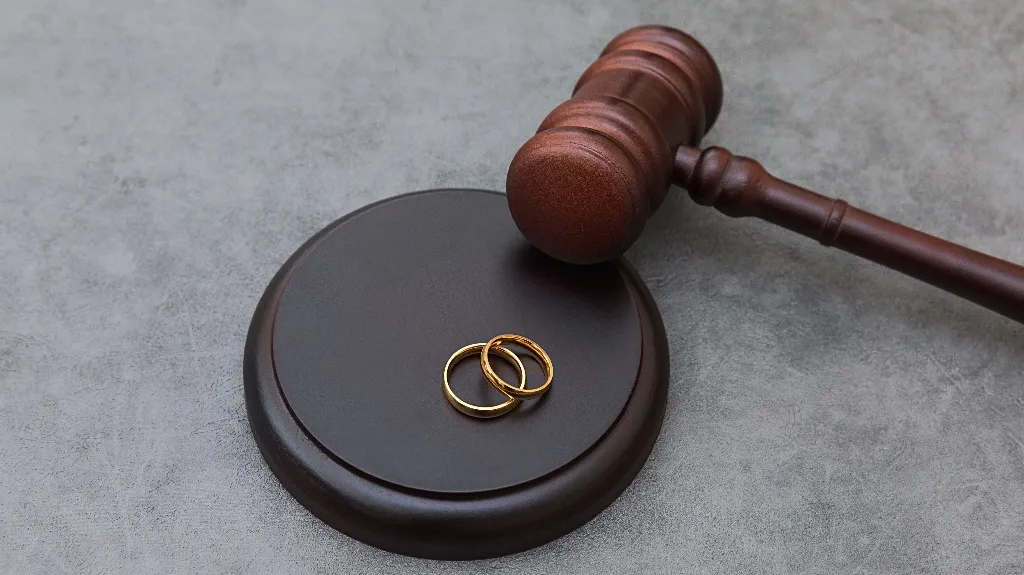
In California, divorce doesn’t automatically mean that every asset is divided in half. While community property is commonly split evenly, separate property can stay in the possession of an individual as long as the right legal steps are taken to protect it.
What Is Separate Property Under California Law?
California is a community property state which means that all assets that are acquired during the marriage are usually divided equally in a divorce. While this is how the state operates, that doesn’t mean that all property is split evenly. Separate property belongs to one spouse, and it’s not divided as long as it’s properly proven.
Under California law, separate property usually includes assets that were obtained before the marriage, inheritances that are received individually, gifts that are made to only one spouse and all property that’s acquired after the date of separation. In many cases, the increase in value of separate property stays separate, but it can get complicated if community funds are put into the growth of property.
The main issue in divorce is classifying what property falls into which category. Just claiming that an asset is separate property is not sufficient. The spouse that wishes to deem a piece of property as separate hold the burden of proving it with documentation and a clear paper trail.
The Risk of Commingling
One of the most common ways that separate property is lost in divorce is by commingling it with community property. Mixing these two together in a way that makes it hard or impossible to differentiate is where problems can arise.
Some examples would be depositing inheritance funds into a joint bank account, using separate funds to pay down a home that was owned jointly, or refinancing property into both spouses’ names. These things can blur the lines between community and separate property. Over time, without proper recordkeeping, tracing the original source of funds can become complicated.
Ultimately, if property is unable to be traced, the court is most likely to consider it as community property. That’s why documentation and financial clarity are so vital.
When Does Separate Property Become Community Property?
Separate property doesn’t automatically become community property just because you’re married, but it can enter that category under certain circumstances.
The main way that this process happens is through transmutation. In California, transmutation requires a clear written agreement that states the character of the property is being changed. For example, if one spouse signs a written document that states a separate property has become community property, the court will generally enforce that.
In addition, if community efforts or funds significantly contributes to the appreciation of a separate asset, the community could have a claim to part of that value increase. These cases can require a detailed financial analysis.
Strategic Steps to Protect Separate Property

Protecting separate property requires proper planning and careful financial management. First, keep documentation that’s clear when showing how the asset was acquired. Keep inheritance or gift funds in separate accounts and avoid mixing them with funds throughout the marriage.
Second, make sure you’re cautious when refinancing property, changing titles, or signing any financial documents during the marriage. Even decisions that are made in good faith can have unintended consequences in divorce.
If divorce becomes likely, act fast to gather all financial records and make sure you successfully point out items that would be deemed separate vs. community property. Early planning can make a significant difference in preserving what you legally own.
Seeking Legal Guidance
Navigating through property issues during a divorce can be overwhelming and complex. That’s why having the right legal representation on your side will only benefit you in the long run. Men’s Legal Center in San Diego is here to help you. Make sure you reach out for your free case review as soon as you can to put yourself in the best position possible.